
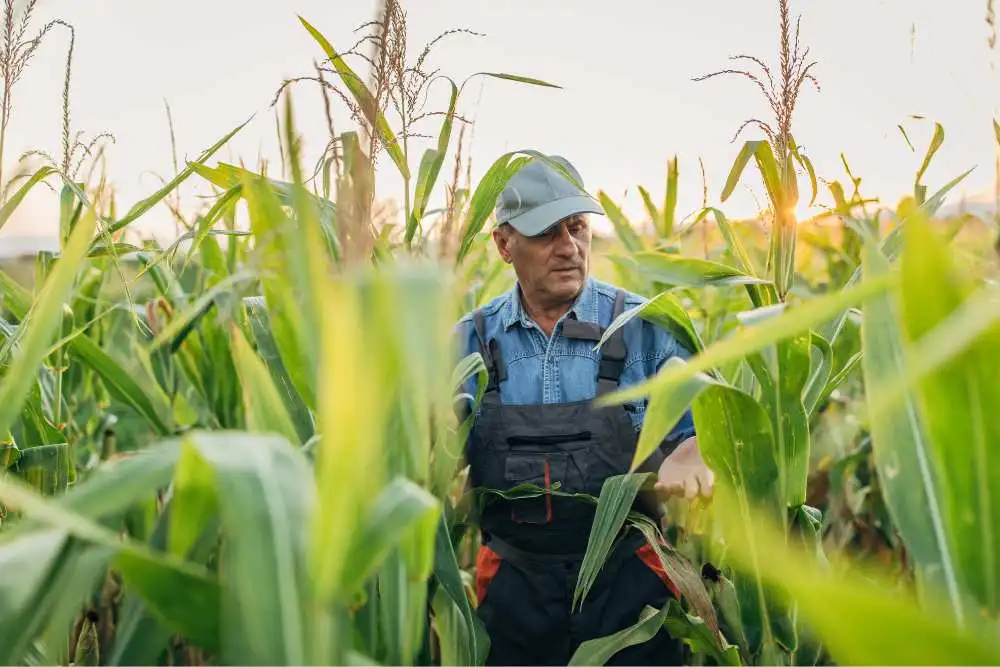
Farming is more than a business. It is a way of life built on long hours, careful planning, and generations of hard work. Every planting season brings opportunity, but it also brings risk. Weather, pests, disease, and market volatility can threaten your livelihood with little warning. Crop and farm insurance exists to help protect everything you work for.
At Community State Bank Insurance, we help farmers and agricultural producers secure reliable crop and farm insurance coverage designed to protect income, operations, and long term stability. With the right protection in place, you can focus on growing your operation with confidence, even when conditions are unpredictable.
Agriculture is one of the most risk intensive industries in the economy. Extreme weather, fluctuating commodity prices, equipment loss, and production challenges can significantly impact annual revenue and long term viability. Without proper insurance protection, one poor season can have lasting financial consequences.
Crop and farm insurance helps stabilize your operation by providing financial support when covered losses occur. Whether you manage hundreds of acres of row crops or operate a diversified farm with specialty crops, the right policy helps ensure your business can recover and continue moving forward.
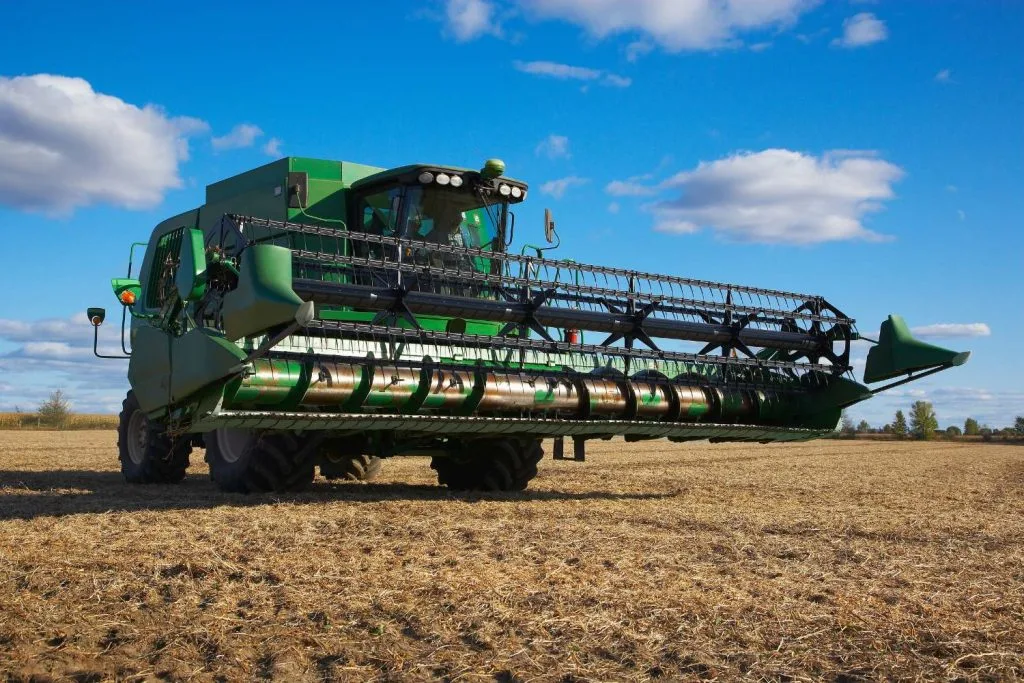
Every farm is different, which is why insurance coverage should be tailored to your specific operation. Our team works closely with you to design a plan that reflects your crops, acreage, risk exposure, and financial goals. Coverage options may include the following.

Multi Peril Crop Insurance, commonly referred to as MPCI, provides broad protection against multiple risks under a single policy. Covered causes of loss may include drought, excessive moisture, hail, wind, frost, insects, and disease. MPCI is designed to protect your crop yield and production value when conditions outside your control impact results.

Revenue protection goes beyond yield alone. This coverage helps protect your expected revenue by accounting for both production losses and market price fluctuations. If prices drop after planting or harvest, revenue protection coverage can help replace lost income and support financial stability during volatile markets.

Crop hail insurance offers targeted protection against hail and other localized weather events. These policies are often written on a per acre basis and can be customized by crop, coverage amount, and deductible. Crop hail coverage is commonly used to supplement broader multi peril crop insurance for more complete protection.

Many crop insurance policies are supported through the Federal Crop Insurance Program administered by the USDA Risk Management Agency. These programs offer subsidized premiums and standardized coverage options that make crop insurance more accessible and affordable for eligible producers.

Diversified operations may benefit from specialized solutions such as Whole Farm Revenue Protection or policies designed for specialty crops. These options can be ideal for farms growing multiple crops or operating under unique production models that do not fit traditional crop insurance structures.
Crop insurance is designed to function as a proactive risk management tool rather than a reactive safety net. The process typically begins with a detailed evaluation of your operation, including crop types, acreage, yield history, and risk exposure.
Once coverage is selected, premiums are established based on coverage level, crop history, and location. Many policies include federal premium subsidies that help reduce overall cost.
If a covered loss occurs due to weather events, natural disasters, or market price declines, a claim can be filed. Approved claims provide financial compensation that helps offset losses and maintain operational stability.
This structure allows farmers to manage uncertainty and continue operating through difficult seasons without placing long term viability at risk.
Crop and farm insurance is essential for a wide range of agricultural operations. If your income depends on agricultural production, insurance protection is a critical component of your business strategy.
This coverage is commonly used by grain, corn, soybean, and wheat producers, vegetable and specialty crop growers, organic farms, diversified operations, and beginning farmers. Many agricultural lenders also require crop insurance as part of loan qualification, making coverage an important financial tool beyond loss protection.
Crop insurance is designed to function as a proactive risk management tool rather than a reactive safety net. The process typically begins with a detailed evaluation of your operation, including crop types, acreage, yield history, and risk exposure.
Once coverage is selected, premiums are established based on coverage level, crop history, and location. Many policies include federal premium subsidies that help reduce overall cost.
If a covered loss occurs due to weather events, natural disasters, or market price declines, a claim can be filed. Approved claims provide financial compensation that helps offset losses and maintain operational stability.
This structure allows farmers to manage uncertainty and continue operating through difficult seasons without placing long term viability at risk.
Severe weather events such as hailstorms, flooding, or drought can cause widespread crop damage in a matter of hours. Crop insurance helps replace lost income and stabilize finances after these events.
Market volatility can also impact profitability even when yields are strong. Revenue protection coverage helps offset losses when commodity prices decline unexpectedly.
For many producers, insurance coverage supports loan requirements and strengthens financial credibility with lenders. Most importantly, crop and farm insurance helps ensure business continuity, allowing operations to recover and prepare for future seasons rather than being forced into difficult financial decisions.
Most major row crops, specialty crops, forage, and pastureland may be eligible depending on location and program availability. Coverage options vary by region and crop type.
Enrollment deadlines vary by crop and state. Planning early is the best way to ensure eligibility and avoid missing important sign up dates.
Crop insurance is designed to protect crops and revenue. Livestock, buildings, equipment, and liability exposures are typically covered under separate farm insurance policies.
Premiums are based on crop type, yield history, geographic location, and coverage level selected. Federal subsidies often help reduce premium costs for qualifying producers.
Most major row crops, specialty crops, forage, and pastureland may be eligible depending on location and program availability. Coverage options vary by region and crop type.
Enrollment deadlines vary by crop and state. Planning early is the best way to ensure eligibility and avoid missing important sign up dates.
Crop insurance is designed to protect crops and revenue. Livestock, buildings, equipment, and liability exposures are typically covered under separate farm insurance policies.
Premiums are based on crop type, yield history, geographic location, and coverage level selected. Federal subsidies often help reduce premium costs for qualifying producers.